Stone Surface Guide
What Is Marble?
Formation of Natural Stone Marble
Last updated: 13 October 2026
How Natural Marble Forms
Marble is a natural metamorphic rock formed when limestone or dolostone undergoes heat and pressure within the Earth's crust.
This process recrystallises the carbonate minerals, creating marble's characteristic crystalline texture.
Calcite-rich limestone forms from marine sediments over millions of years.
Deep beneath the Earth's surface, intense heat and pressure transform the limestone.
Calcite crystals interlock, producing a stronger and denser stone.
The Rich Colours of Marble
Natural minerals create the distinctive veins and colour variations unique to each slab.
Calcium Carbonate: The Main Mineral in Marble
Calcium carbonate (CaCO₃) is a naturally occurring compound found in minerals such as calcite and aragonite. It is the principal mineral component of most limestones and many marbles.
Calcite and Crystalline Structure
Calcite is the main mineral found in most marble. During metamorphism, its crystals recrystallise and grow into an interlocking structure, changing the texture of the original limestone. This crystalline structure is a defining characteristic of marble.
Calcium carbonate can also occur as aragonite, a mineral with a different crystal structure. Under changing geological conditions, aragonite may transform into the more stable calcite. However, calcite is the key mineral to understand when explaining how most marble forms.
How Limestone Forms
Limestone is a sedimentary rock composed mainly of calcium carbonate. It commonly forms as shells, skeletal fragments and other carbonate material accumulate on the seabed and become compacted and cemented over geological time.
From Marine Sediment to Solid Rock
As layers of carbonate sediment build up, burial compresses the material while minerals precipitating from groundwater help bind the grains together. These physical and chemical changes, collectively known as diagenesis, turn loose sediment into solid sedimentary rock through a process called lithification.
Natural Colour Variations
The colour of limestone varies according to its mineral impurities and other material present during formation. Iron oxides can contribute yellow, red and brown tones, while organic matter and clay minerals may produce darker grey shades. These impurities can influence the appearance of marble when the original rock later undergoes metamorphism.
Metamorphism: Transforming Limestone into Marble
Marble forms when limestone or dolostone undergoes metamorphism, a geological process driven by elevated heat, pressure and, in some cases, chemically active fluids within the Earth's crust.
Heat, Pressure and the Geothermal Gradient
Temperature generally increases with depth inside the Earth, a pattern known as the geothermal gradient. As rocks are buried or affected by tectonic activity or nearby magma, changing temperatures and pressures can alter their minerals and structure without the rock fully melting.
The Parent Rock (Protolith)
The protolith is the original rock before metamorphism. For marble, it is usually limestone or dolostone. During metamorphism, the original carbonate minerals change in size, arrangement and texture, producing the crystalline rock recognised as marble.
Types of Metamorphism
Marble can form in different geological settings. Contact metamorphism occurs when surrounding rock is heated by nearby magma, while regional metamorphism affects extensive areas during tectonic activity and mountain building. Dynamic metamorphism occurs mainly in zones of intense deformation, such as faults. These processes may overlap, and chemically active fluids can influence mineral reactions and the resulting stone.
Quartzite is another metamorphic rock, but it forms mainly from quartz-rich sandstone. By contrast, granite is an igneous rock that forms when magma cools and crystallises underground.
Recrystallisation: Marble's Crystalline Structure
Recrystallisation is the key process through which the carbonate minerals in limestone or dolostone reorganise during metamorphism, producing marble's characteristic crystalline texture.
Under suitable conditions of heat and pressure, existing mineral grains change in size and arrangement, forming an interlocking crystalline structure without the rock fully melting.
As calcite or dolomite crystals grow and reorganise, they can gradually obscure the original rock's sedimentary features, including fine carbonate grains, bedding and fossil fragments. The extent of this change depends on the conditions and duration of metamorphism.
Fluids moving through the rock can influence mineral reactions and crystal growth. Where fractures or cavities are present, minerals may also be deposited or grow within them, creating veins, contrasting bands or crystalline pockets.
What Gives Marble Its Colours and Veining?
Marble occurs in a wide range of colours and patterns, influenced by the minerals and impurities present in its parent rock and by the geological processes that affect it during metamorphism.
Pure white marble typically forms from limestone containing very few colouring impurities. Its predominantly calcite or dolomite crystals create a bright, crystalline appearance. Where other minerals are present, they can introduce contrasting colours, veins and patterns.
Minerals commonly associated with colour variations in marble include:
- Graphite and other carbon-rich material: can contribute grey or black tones.
- Iron-bearing minerals and oxides: can produce red, pink, yellow and brown shades.
- Serpentine and other green minerals: can give certain marbles green colouring.
- Quartz, pyrite and other mineral inclusions: can contribute contrasting veins, flecks and patterns, depending on their distribution and geological setting.

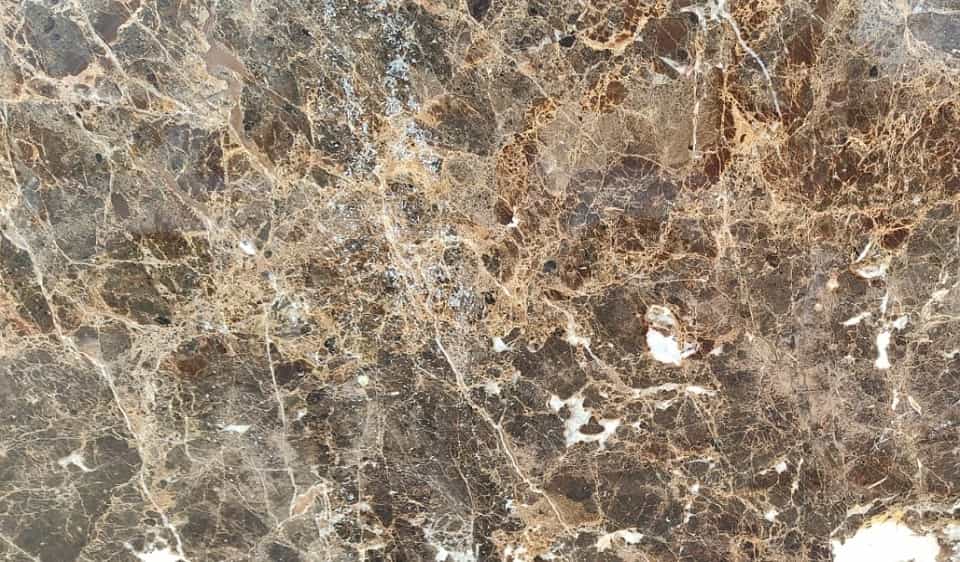
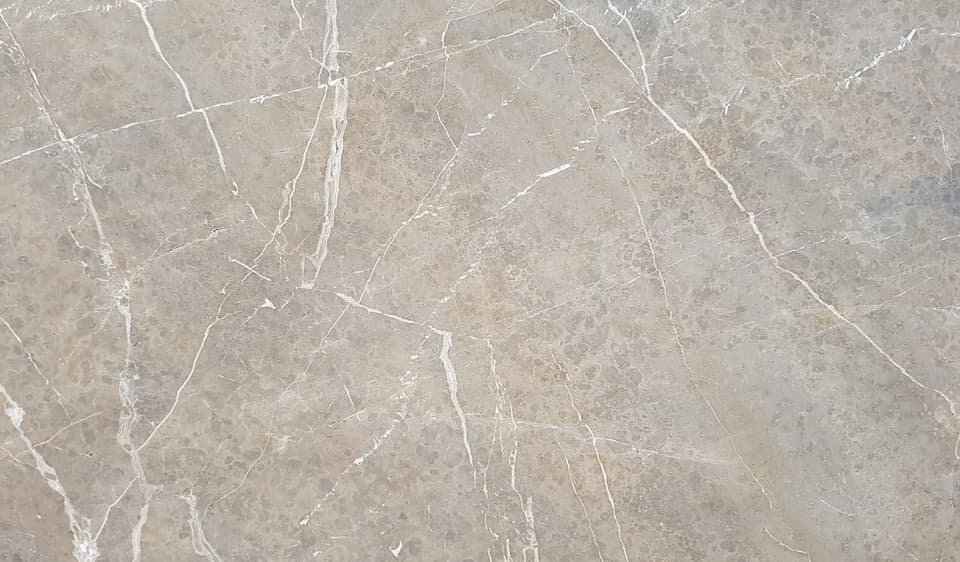
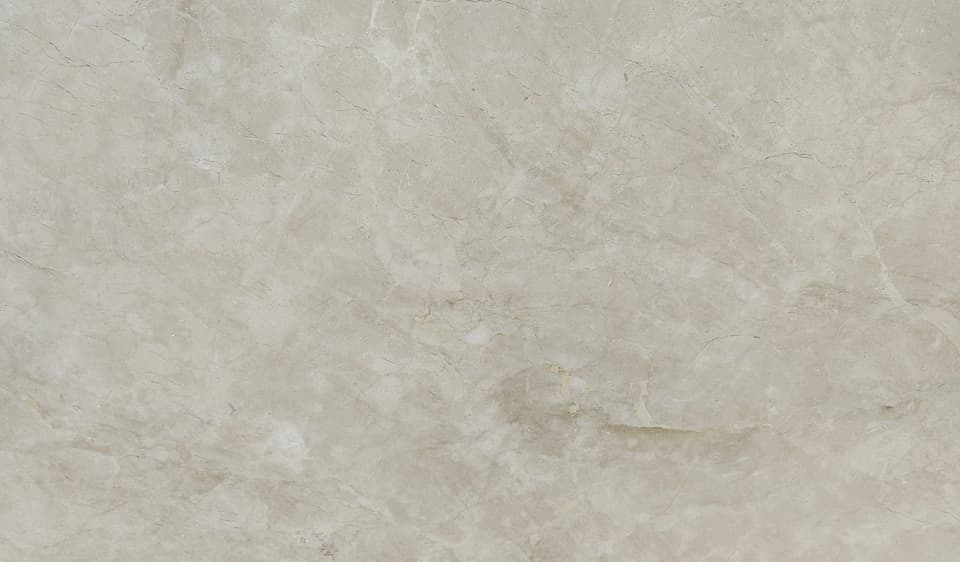
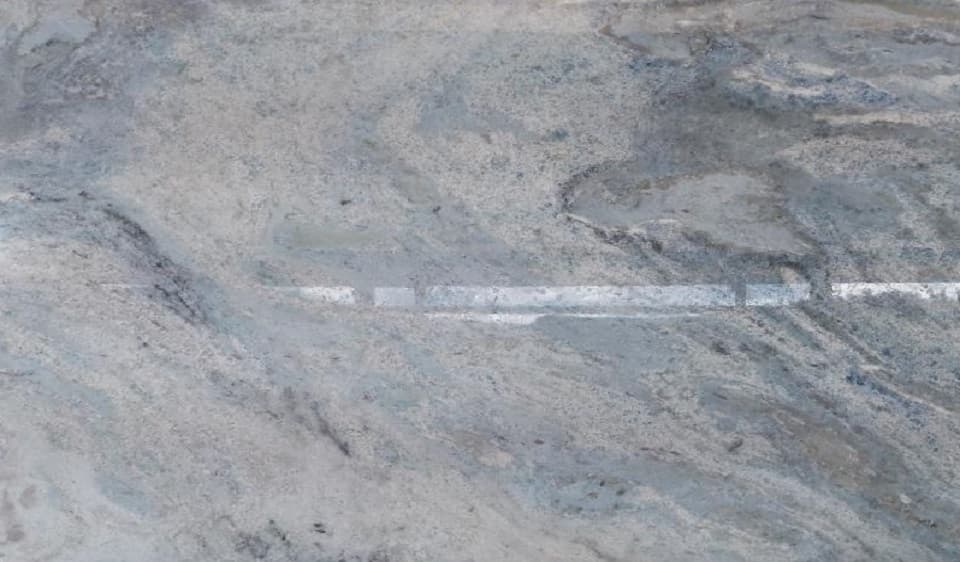
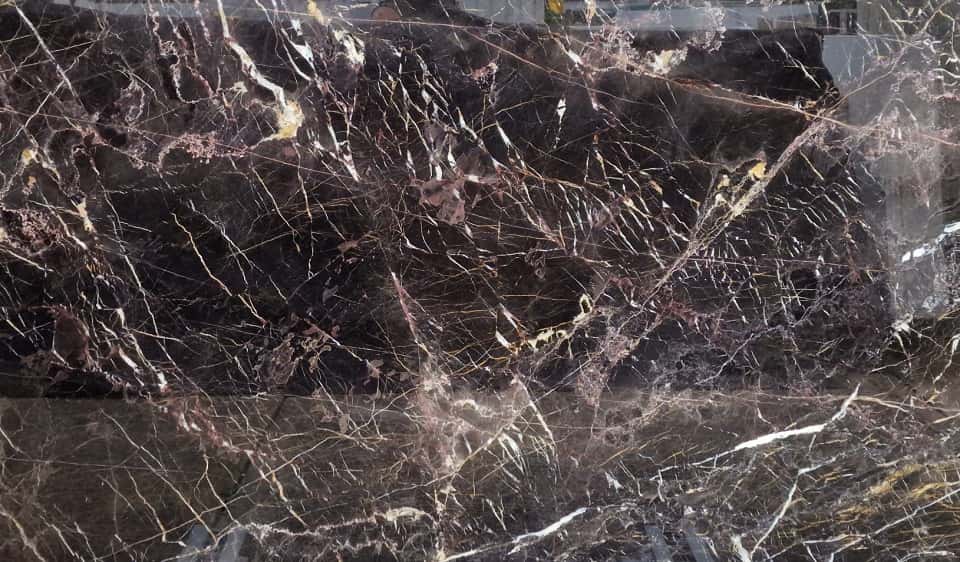
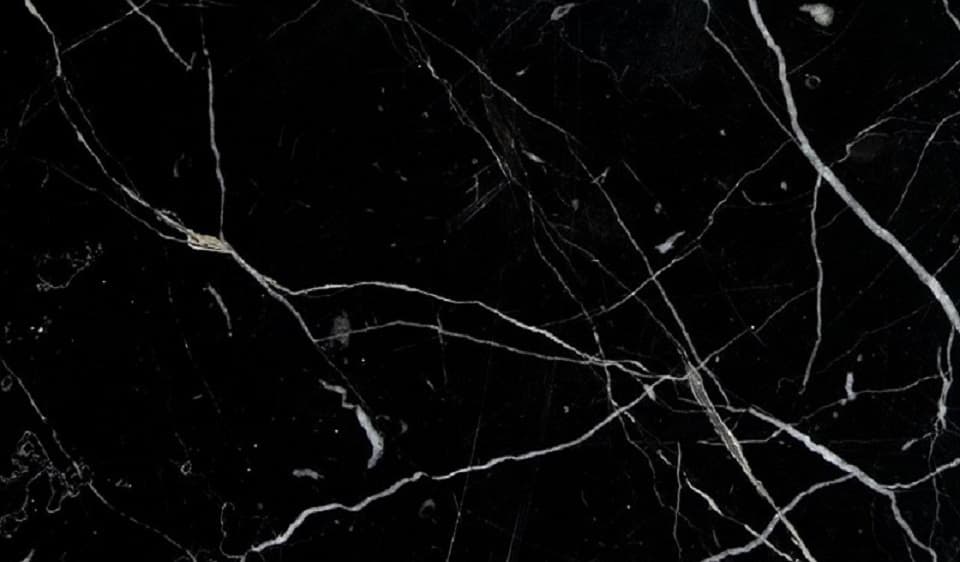
The variations in colour, crystalline texture and veining reflect the geological history of each marble deposit. These natural characteristics give natural stone marble its distinctive appearance in applications such as marble worktops and bathroom cladding.
Frequently Asked Questions
Common questions about marble, how it forms and what gives it its distinctive appearance.
How is marble formed naturally?
Marble forms when limestone or dolostone undergoes metamorphism. Heat, pressure and sometimes chemically active fluids cause its carbonate minerals to recrystallise, producing a crystalline rock.
What is the difference between limestone and marble?
Limestone is a sedimentary rock, while marble is a metamorphic rock formed when limestone or dolostone is altered by heat, pressure and recrystallisation. This process changes the rock's mineral texture and often obscures its original sedimentary features.
Why does marble have veins?
Marble veining can develop when mineral-rich fluids move through fractures in the rock and deposit minerals. Variations in mineral composition and the redistribution of existing impurities during metamorphism can also contribute to its patterns.
Why are some marbles pure white?
White marble typically forms from limestone with very few colouring impurities. Its predominantly calcite or dolomite crystals give it a pale, crystalline appearance.
>How long does marble take to form?
Marble forms over geological timescales, often involving millions of years. The process includes the formation of the original sedimentary rock and its later transformation through metamorphism.
Interested in natural marble surfaces? Request a free